
Top scientific honors awarded to HUANG Xuhua and ZENG Qingcun
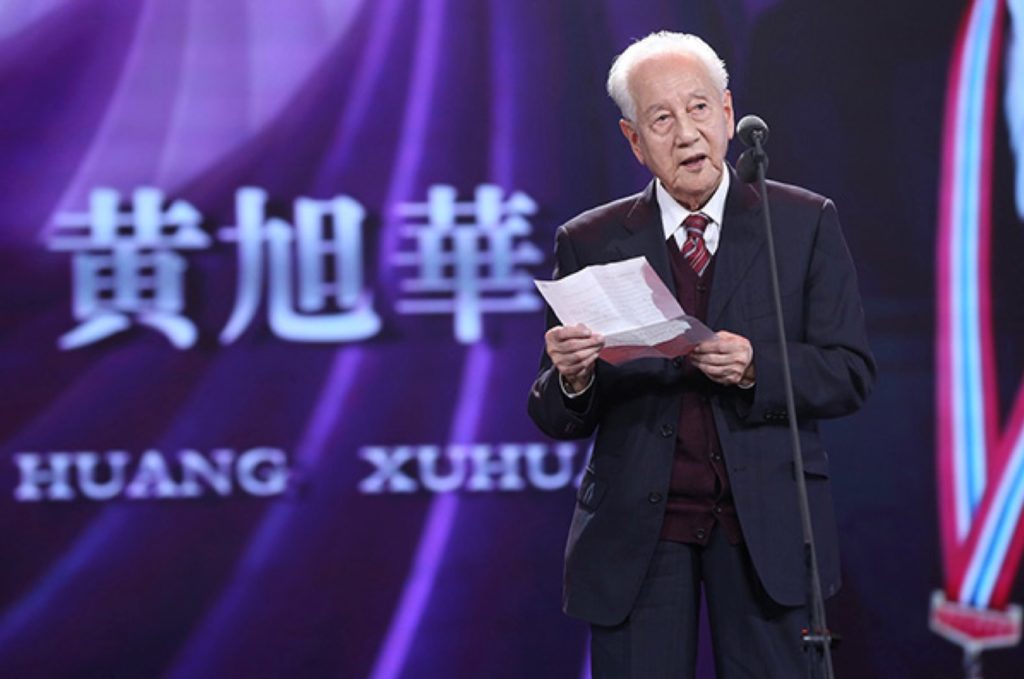
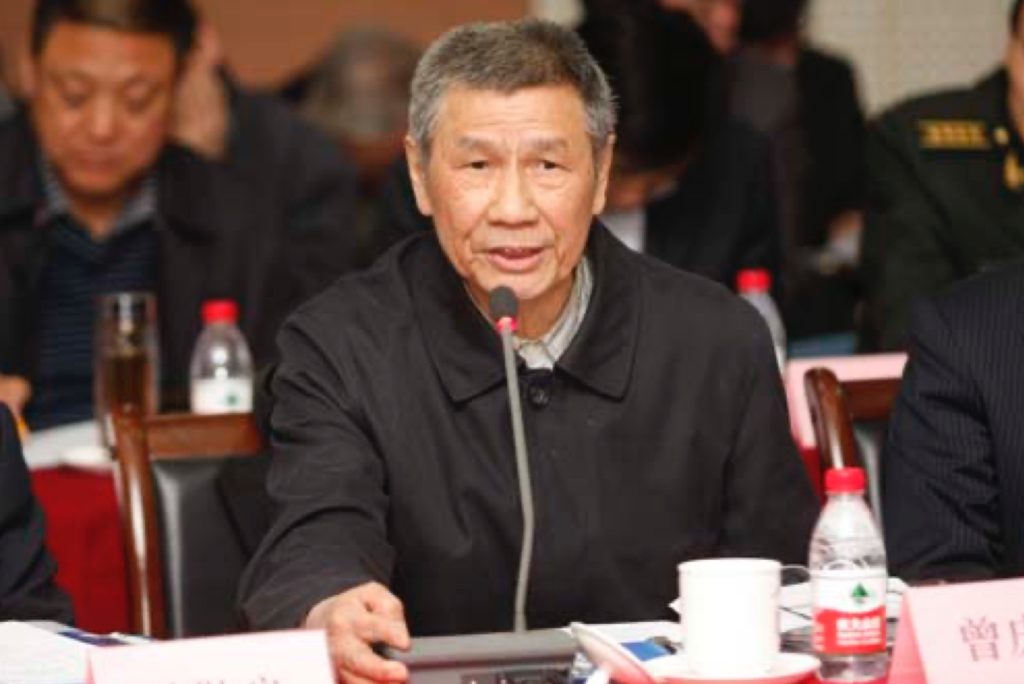
China’s highest ranked scientific award, the State Eminent Science and Technology Award, has been given to an engineer and a meteorologist. HUANG Xuhu played a key role in China’s nuclear submarine development. In December 1970, China launched Long March I, becoming the fifth nation to have a nuclear submarine. ZENG Qingcun, a renowned atmospheric scientist, helped modernize China’s weather forecast systems and meteorological satellite remote sensing technologies. The prize money is 8 million yuan ($1.14 million) for each receipient.
China Daily news release, January 10, 2020
China’s blood product market size is about 24 billion Yuan, HSA dominates but factor VIII was 6.3 %
The Chinese blood market, with liberalized price control, grew by 16.7 % from 2015 to 2016. It is served by 28 companies which operate about 200 collection stations. There are 11 types of blood products of which human serum albumin is 54 %, human immunoglobulins 24 %....
National GenBank opens affiliation at Suzhou BioBAY
The National GenBank with headquarters in Shenzhen will eventually integrate other regional centers already established in China. Suzhou Biological Sample Bank (National Bank of Suzhou Library), formerly known as Suzhou City Serum (Gene) Library, was a project of...
Chinese researchers believe self-developed CAR-T therapy to be approved within 3 years at a prize within 100,000 Yuan
According to QIAN Qijun, director of the Shanghai Cell Therapy Engineering Research Center, China will have at least a 20 companies or institutions to start CAR-T clinical trials soon, as many funds have been or are being flooded into the field of cellular...
CAS Tianjin Institute of Industrial Biotechnology improves CRISPR/Cas9 genome editing for Corynebacterium glutamicum
The Systems and Synthetic Biotechnology Research Team around MA Yanhe at CAS TIB has developed a versatile CRISPR/Cas9 genome editing toolbox for C. glutamicum. Cas9 and gRNA expression cassettes were reconstituted to combat Cas9 toxicity and facilitate effective...
CAS QIBEBT group develops high-performance Mg/S battery
Batteries based on Mg anodes are safe, show high volumetric capacity, and inexpensive, but the lack of compatible electrolytes and suitable cathodes has restricted the development of rechargeable Mg batteries. A group at CAS Qingdao Institute of Bioenergy has...
MOST clears 5 biomedical key projects with a volume of 1.2 billion Yuan
The projects, which run until 2020, are: 1. Biomedical materials research and development and replacement of tissue and tissue remediation 2. Digital clinic equipment research and development 3. Major chronic non-communicable diseases prevention and control 4....
National Energy Administrytion of China explores combination of coal and biomass power generation
As the use of biomass energy is moving only slowly, the National Energy Administration and the Ministry of Environmental Protection have jointly started a pilot project on power generation coupling coal-incineration and biomass. Priority for cogeneration is limited to...
CAS Institute of Hydrobiology proposes algal biofuel production coupled to bioremediation
The group of Qiang WANG at the institute used waste streams from biomass power plants as nutrients for Chlorellac ultivation and found that Chlorella cultures produced 39 % more lipids and exhibited higher growth rates. The cultures reduced the NOx present in the flue...
Ethanol gasoline (E10) is launched in China’s key provinces
Following an implementation plan of National Reform commission and several ministries, Tianjin and Shandong have issued implementation plans for promoting ethanol gasoline. Ethanol gasoline is cleaner than traditional gasoline and will ease air pollution. According to...
Chinese Academy of Sciences sets up Innovation Center in Bangkok
The CAS Innovation Cooperation Center (Bangkok) will bethe first overseas organization promoting global science, technology and innovation. The center will encourage Chinese innovative enterprises to come to Southeast Asia to build an innovative China-ASEAN community....
Coronavirus from Yunnan horseshoe bats at origin of 2002 SARS epidemic
According to findings of a research team at CAS Institute of Virology, Wuhan, a distinct population of horseshoe bats in a remote cave in Yunnan may be at the origin of the 2002 SARS epidemic. Virologists around TU Changchun have found that these bats carry...
CAS Institute of Chemistry develops electronic textile for human motion monitoring
The textile contains stretchable sensors which are applied by an electronic dyeing method. With specific precursor selection and texture regulation, the conductive textile shows good flexibility and adaptable strain–electric response. The electronic textile has high...